

Stepping into the Hearth of the Traditional Session
A traditional folk session can look wonderfully effortless from the outside: instruments gathered around a wooden table, pints resting beside music cases, a fiddle or flute launching a familiar melody, and conversation rising between sets. Yet that apparent ease can feel intimidating when you do not know whether the musicians are expecting another player, whether a song is welcome, or even where a visitor should sit. The room may seem informal, but it is guided by a finely tuned social awareness.
The first reassurance is that a session is not usually a closed circle designed to keep newcomers out. It is a living tradition, shaped by local musicians, visiting players, regular listeners, and the particular character of the venue. Practices vary widely between Irish, English, Scottish, Old Time, and other traditions, so the cultural roots of pub sessions are worth understanding before joining one. This guide offers a warm, practical way into that world, whether you are carrying an instrument, travelling through town, or simply hoping to listen without getting in the way.
Reading the Room and Finding Your Place
Begin by observing the physical arrangement. A session often gathers around a table or a loose cluster rather than facing a stage. The most established players may form the musical anchors, starting tunes, setting the pace, and signalling when a set has finished. They are not necessarily the loudest or most senior people in the room, but they often know the local repertoire and understand how the group moves from one tune to the next.
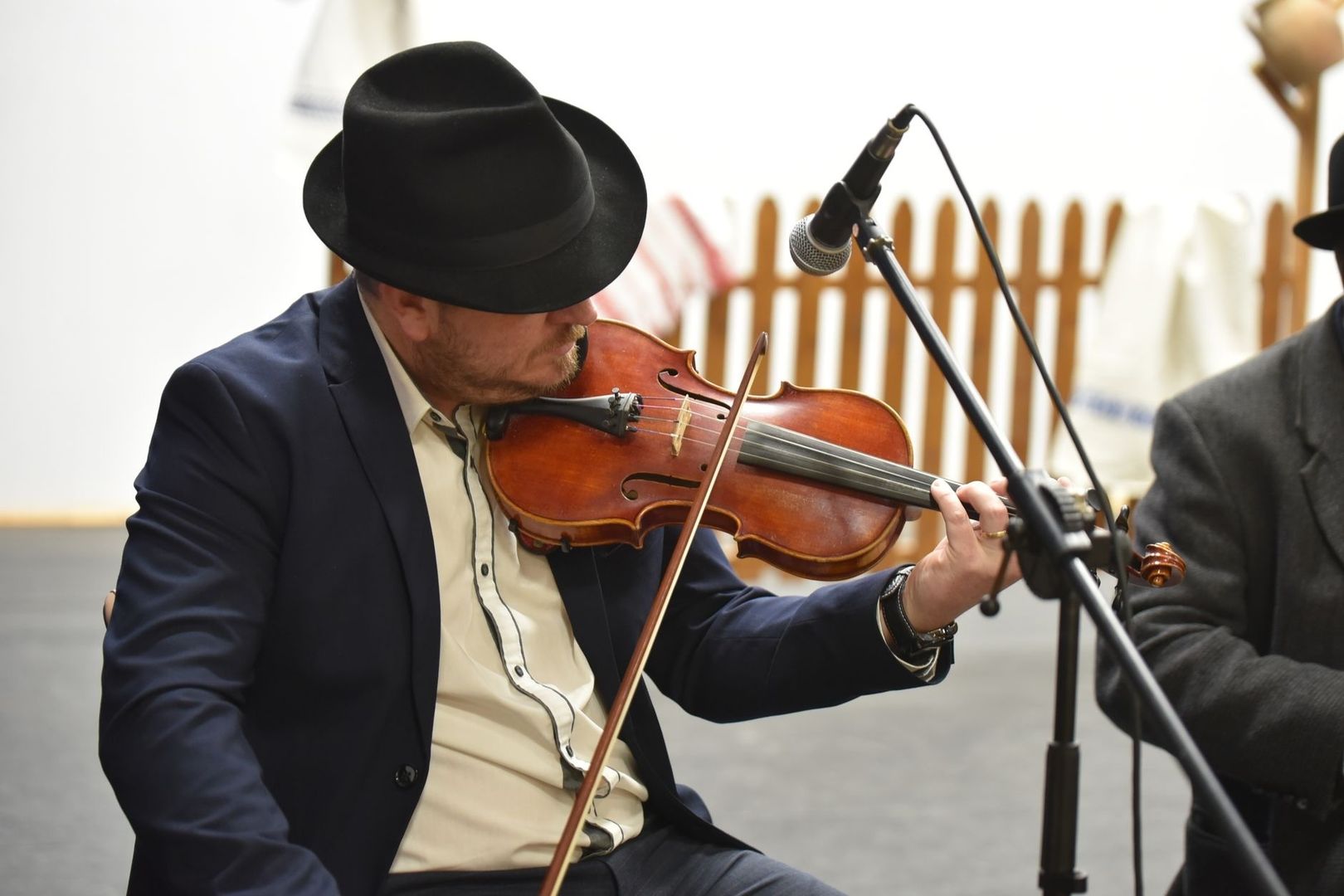
Before unpacking an instrument, listen for the session”s character. An open community gathering may include several ability levels, varied instruments, and an easy flow in which visitors are greeted or invited to contribute. A tight-knit rehearsal or advanced regular session may move through a known repertoire with little explanation, frequent key changes, or intricate arrangements. Neither format is wrong. The important distinction is to recognise what the group is doing rather than assuming that every gathering advertised as a session is an open invitation to play.
For an active musician, the safest first position is usually nearby but not directly in the centre of the playing group. Buy a drink, introduce yourself briefly to a host or one of the regulars, and say what you play without presenting it as a demand for a turn. A sentence such as “There is a whistle in the case if a suitable tune comes round” gives useful information while leaving the decision with the group. If you are listening, choose a seat where you can hear clearly without blocking the musicians, crowding the table, or placing a chair in the path of staff.
- Open session: players of different levels may be welcome, but joining still depends on listening and fitting the established style.
- Regulars” session: the group may have a settled repertoire and may prefer newcomers to listen before participating.
- Rehearsal-like gathering: complicated arrangements, repeated passages, or minimal interaction can indicate that this is not the right moment to sit in.
- Best first move: ask a quiet, practical question during a break rather than interrupting a tune.
The Unspoken Musical Etiquette from Noodling to Joining Sets
One of the clearest taboos across many session traditions is aimless noodling while others are playing. Unfocused runs, repeated tuning fragments, or testing an instrument over the top of a melody make it difficult for the group to hear its lead player and can blur the shared rhythm. Tune quietly before the music begins, or step away briefly if a major adjustment is needed. A few seconds of preparation protects the momentum that makes a session feel like a conversation rather than a collection of competing sound checks.
Joining an ongoing set calls for restraint. Wait for a natural beginning, establish the key if possible, and play the melody with a lighter touch until the group”s volume and rhythm become clear. Do not take over another musician”s lead, accelerate the tempo, introduce elaborate variations without knowing the local style, or force an unfamiliar tune into a sequence. Different traditions organise sets differently: Irish sessions may connect tunes spontaneously by rhythm or key, while Old Time gatherings may repeat one tune extensively and remain in a single key. The aim is participation, not a display of difficulty.
| Helpful practice | What to avoid |
|---|---|
| Listen to a full set before joining | Launching into a tune over the top of another player |
| Match the group”s volume and pulse | Playing so loudly that the lead disappears |
| Ask about keys or local expectations during a break | Interrupting a tune to request information |
| Choose familiar material that others can follow | Using obscure pieces to showcase virtuosity |
| Tune discreetly before the music resumes | Noodling between tunes or during a song |
| Leave space for other instruments | Changing the established tempo or rhythmic feel |
When the Pub Goes Quiet for Ballads and Unaccompanied Songs
A ballad changes the architecture of a pub. The bustle softens, glasses are set down more carefully, and the room”s attention gathers around a single voice. An unaccompanied song needs space in a way that a full instrumental set does not. Conversation, chair scraping, and casual playing can easily overwhelm a singer, so the most respectful response is simple: stop talking, stop playing, and give the performer the same attention expected during a formal concert.
Not every song has the same function. A chorus song with a familiar refrain may invite quiet participation once the singer has established the pattern. An unaccompanied narrative ballad, particularly one with unfamiliar verses, is usually best heard in silence until the singer signals otherwise. A visitor should never assume that a lull is an invitation to begin a sequence of songs. One contribution may be welcomed, but repeatedly starting another performance can turn a shared session into an unsolicited showcase. Local practice matters, and some gatherings are tune-focused while others regularly include songs, unusual instruments, or material from neighbouring traditions.
Unexpected guests can fit beautifully when they respect that balance. In 2026, Sir Mick Jagger joined the weekly folk session at The Half Moon in Oxford and sang “Handsome Molly” with local students, an Irish band, keyboard player Matt Clifford, and teacher Robert Cheah. Reports noted that very few people initially recognised him, and the pub emphasised that its Sunday gathering welcomes everyone from beginners to international rock stars. The episode, described in Mick Jagger”s Oxford pub performance, illustrates the central principle: status matters less than listening, fitting the room, and sharing the song without displacing the local tradition.
Your Step by Step Checklist for Session Success
A little preparation makes the first visit far more comfortable. Check whether the venue describes the gathering as open, tune-focused, song-friendly, beginner-oriented, or intended for experienced regulars. Online session directories, local folk organisations, cultural centres, and the venue itself can often clarify expectations. If no information is available, arrive early enough to ask rather than trying to decode every rule once the music is under way.
- Arrive early. Buy a drink, settle into an unobtrusive seat, and introduce yourself to the host or a regular musician. Staff and organisers can explain whether the session is open to visitors.
- Listen through the opening tunes. Notice the keys, tempos, volume, and whether sets are linked spontaneously or played as fixed arrangements.
- Keep the instrument in its case at first. Unpacking immediately can look like an assumption that you have been invited to play.
- Ask during a break. Mention your instrument and experience briefly, then accept the answer graciously if the group suggests listening for the evening.
- Join conservatively. Start softly on a tune you know, follow the established pulse, and leave room for the players who are carrying the melody.
- Support the gathering as a patron. Buy a drink, respect the venue, and consider buying a round for the table when appropriate, without turning hospitality into an obligation.
Pull Up a Stool and Join the Living Tradition
Sessions thrive on hospitality, but hospitality is mutual. Musicians offer tunes, accompaniment, stories, and the accumulated knowledge of a local tradition; listeners provide attention, encouragement, and the quiet needed for the music to breathe. The best newcomers are not necessarily the most technically accomplished. They are the people who notice what the room needs, make space for others, and understand that a session is a collective act rather than an open microphone.
So pull up a stool with confidence, but let curiosity lead before performance. Listen closely, ask considerate questions, and return to the venues where the welcome feels genuine. Whether the setting is an Oxford pub, a village taproom, or a community gathering far from home, traditional music remains strongest when people share it with care. The door is open, the tune will come round again, and there is always more to learn before joining in.